
$107.48
Add to Cart
Brown Turkey Fig Tree 2-3' Feet (1 Plant)


Can Not Ship To: NY, OR, HI, TX
Exposure: Full Sun | Height At Maturity: Under 25 Feet | Planting Zones: 5-7 | Shipped As: Bare-root | Ships: 5-7 Days | Usage: Fruiting
We only ship bare root plants. They do not come in a container. Bare root plants need to be planted within 2-3 days of receiving unless weather-related problems prohibit planting. Store in a cool place and keep roots moist and covered with plastic until they can be planted. Water for the first week daily after planting.
"Fruiting Figs:
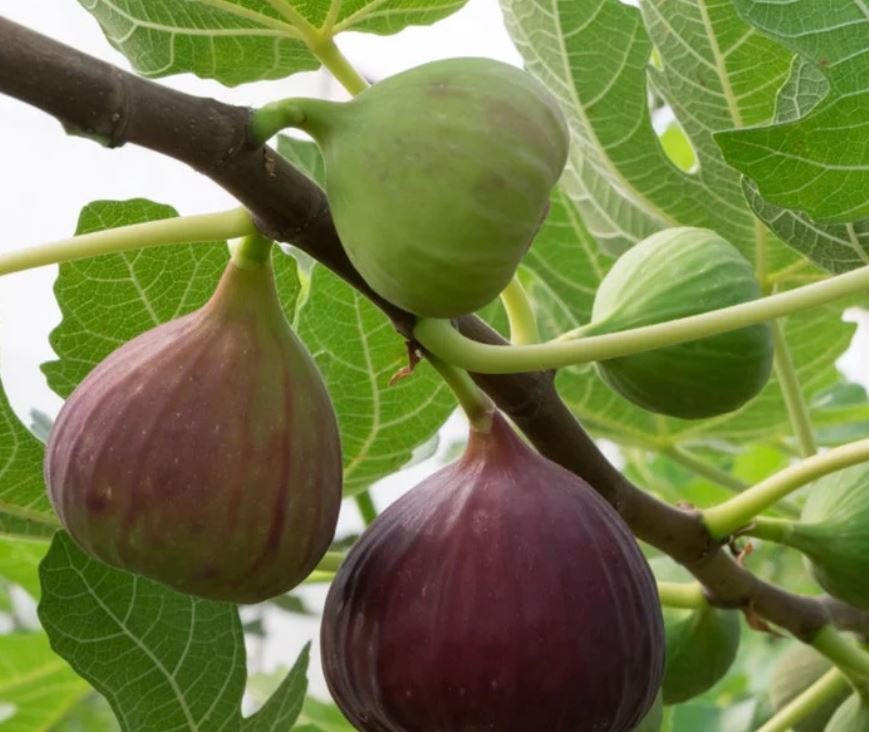
The brown turkey fig is a Mediterranean native that produces delicious, sweet fruits and is easy to grow and maintain. Not only does the brown turkey fig provide a unique and attractive look to your outdoor space, but it can also offer a variety of uses for your home. This guide will show you the attributes of the brown turkey fig, its usefulness in cooking and landscaping, and ideas for how to use it in your garden.
Attributes of Brown Turkey Figs
The brown turkey fig is a broadleaf evergreen native to the Mediterranean region. It is a vigorous grower and multi-stemmed tree that can reach heights of over 50 feet. Its dark green leaves are broad, long, and oval-shaped with serrated edges. The brown turkey fig has several cultural requirements for healthy growth. This includes proper pruning to encourage branching and reduce disease.
Landscaping Ideas Using Brown Turkey Figs
Should remember that they require room to grow and spread out. Therefore, it is best to plant them in the back of your garden, where they will have the space they need while allowing other plants to be visible in front. If you are limited on space, you can plant a dwarf variety of fig tree that only grows to 6 feet high. Fig trees have beautiful, glossy leaves that add color and texture to your garden.
Pest and Disease Prevention
The brown turkey fig has few pests or diseases that affect its growth. However, if you notice a sudden change in the health of your fig tree, you should contact your local agricultural extension office to find out what might be causing it. Although the brown turkey fig has a few issues, you can do a few things to protect it from infection. First, you should avoid planting your fig tree in an area that receives too much water. Water that sits around the roots of a fig tree can create an environment where disease can thrive.
Exposure: Full Sun | Height At Maturity: Under 25 Feet | Planting Zones: 5-7 | Shipped As: Bare-root | Ships: 5-7 Days | Usage: Fruiting
We only ship bare root plants. They do not come in a container. Bare root plants need to be planted within 2-3 days of receiving unless weather-related problems prohibit planting. Store in a cool place and keep roots moist and covered with plastic until they can be planted. Water for the first week daily after planting.
"Fruiting Figs:
The brown turkey fig is a Mediterranean native that produces delicious, sweet fruits and is easy to grow and maintain. Not only does the brown turkey fig provide a unique and attractive look to your outdoor space, but it can also offer a variety of uses for your home. This guide will show you the attributes of the brown turkey fig, its usefulness in cooking and landscaping, and ideas for how to use it in your garden.
Attributes of Brown Turkey Figs
The brown turkey fig is a broadleaf evergreen native to the Mediterranean region. It is a vigorous grower and multi-stemmed tree that can reach heights of over 50 feet. Its dark green leaves are broad, long, and oval-shaped with serrated edges. The brown turkey fig has several cultural requirements for healthy growth. This includes proper pruning to encourage branching and reduce disease.
Landscaping Ideas Using Brown Turkey Figs
Should remember that they require room to grow and spread out. Therefore, it is best to plant them in the back of your garden, where they will have the space they need while allowing other plants to be visible in front. If you are limited on space, you can plant a dwarf variety of fig tree that only grows to 6 feet high. Fig trees have beautiful, glossy leaves that add color and texture to your garden.
Pest and Disease Prevention
The brown turkey fig has few pests or diseases that affect its growth. However, if you notice a sudden change in the health of your fig tree, you should contact your local agricultural extension office to find out what might be causing it. Although the brown turkey fig has a few issues, you can do a few things to protect it from infection. First, you should avoid planting your fig tree in an area that receives too much water. Water that sits around the roots of a fig tree can create an environment where disease can thrive.


